Posts

AI Outperforms Sonographers in Assessing Heart Function

Image
A study published in the peer-reviewed journal "Nature" found that artificial intelligence (AI) is better at assessing heart function than sonographers. The study was conducted by investigators at the Smidt Heart Institute and the Division of Artificial Intelligence in Medicine at Cedars-Sinai and was a first-of-its-kind, blinded, randomized clinical trial of AI in cardiology. Cardiologists more frequently agreed with the initial assessment made by AI and made corrections to only 16.8% of the AI initial assessments. Cardiologists made corrections to 27.2% of the sonographers' initial assessments, and the physicians were unable to distinguish between AI and sonographer assessments. AI also saved cardiologists and sonographers time. The hope is to save clinicians time and minimize the more tedious parts of the cardiac imaging workflow. However, the cardiologist remains the final expert adjudicator of the AI model output. Regulatory approvals are now needed for such tools to...

AI for Predicting Heart Transplant Outcomes

Image
A recent review has highlighted the growing use of artificial intelligence (AI) in managing post-heart transplantation (HTx) and mechanical circulatory support (MCS) clinical care. This technology is particularly promising in the field of heart failure practice, where many decisions are often made based on expert opinions in the absence of high-quality data-driven evidence.  The review specifically focused on studies that examined post-HTx care, including post-operative management and long-term outcomes. The most common data sources used for development, training, and validation of AI algorithms are the United for Organ Sharing (UNOS) and the International Society of Heart and Lung Transplantation (ISHLT) registry. The primary outcomes studied include 1-year mortality or recipients, survival time, dependence on chronic dialysis, and graft survival. The machine learning models used include neural networks, support vector machines, random forests, and gradient-boosted machines. The p...

ACEI or ARB?

Image
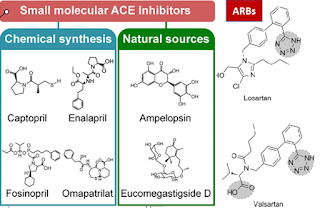
Lowering high blood pressure is associated with significant reduction in all major cardiovascular events, all-cause mortality, stroke, coronary events, and heart failure. Since medicine is still not personalized neither particularly precise, guidelines  for choosing the right drug keep evolving.  For adults with hypertension requiring pharmacological treatment, the following three classes of pharmacological antihypertensive medications are used as an initial treatment: diuretics , ACE inhibitors or ARBs , and calcium channel blockers.  ACE inhibitors (ACEIs) reduce the activity of the angiotensin-converting enzyme (ACE) which is responsible for hormones that help control blood pressure.  Synthetic ACE inhibitors, such as captopril, enalapril, lisinopril, and temocapril, are in clinical use for the treatment of hypertension. Lisinopril is found to have significant negative effect on perceptual motor skills, thus other ACE inhibitors such as Benazepril, Fosinopril,...

Multiscale Cardiac Monitoring with No Physical Contact: An Investigation Using Impulse Radio Ultra-Wideband Radar

Image
Currently, the most common methods for detecting cardiac information are electrocardiography (ECG) and photoplethysmography (PPG). ECG uses metal electrodes placed on the body to detect electrical signals, while PPG uses optical sensors at the wrist or finger to detect changes in blood volume. While these methods are widely used in clinical settings, they require physical contact and may not be suitable for continuous, real-time monitoring in certain situations. To address this, researchers are exploring the development of a contactless method for detecting cardiac information that could be used for next-generation medical monitoring and home healthcare. Such a method would have many potential applications and could improve the accuracy and accessibility of cardiac monitoring. In a paper published this month, a new method for measuring cardiac motion using impulse radio ultra-wideband (IR-UWB) radar at a center frequency of 7.29 GHz is proposed.  This method aims to improve upon tr...

Genomics of Arrhythmias

Image
P otentially lethal inherited arrhythmia syndromes could be inherited. The list of potentially associated genes is growing.  Long QT syndrome has been linked with LQTS;  KCNH2 ,  KCNQ1 ,  SCN5A;  Brugada syndrome to  SCN5A , arrhythmogenic cardiomyopathy to  LMNA , and catecholamine-induced polymorphic ventricular tachycardia to RYR2 .  Characteristic TU–Wave Patterns Predict the KCNJ2 Genotype eMERGE-III  study analyzes phenotype and genotype data for individuals with health problems as well as healthy volunteers.  Through  this study,  109 Mendelian disease genes, including 10 associated with arrhythmias, were sequenced in 21,846 individuals who had no indication for arrythmia-related genetic testing. In 1,838 patients, researchers found never-before-seen variations in the 10 genes associated with genetic arrhythmia, highlighting the problem of variants of unknown significance in the  new era of genomic medicine for card...

Smart Wearables for Cardiac Monitoring

Image
Medical devices marketed directly to consumers (DTC) are becoming increasingly more complex, capable to diagnose a variety  of cardiovascular issues.  Remote patient follow-up by monitoring heart rate is most popular, as it does not require complex analyses of cardiac waveforms such as ECG and PPG.  Most known devices - such as Apple watch - are used for the surveillance or “spot checking” of arrhythmias. The amount and quality of data recorded and stored depend on the battery capacity, storage capabilities, size of the device and cost of the device. The management of non-atrial fibrillation arrhythmias is done using  devices placed at a care   provider's  office during a scheduled appointment - like  Holter, event recorder, and electrocardiogram (ECG) patches. Wristbands and textiles are also used by some providers. New lightweight designs such as a single-patch 12-lead ECG (SP-ECG) are also being researched . Implementation in other patient cohorts,...